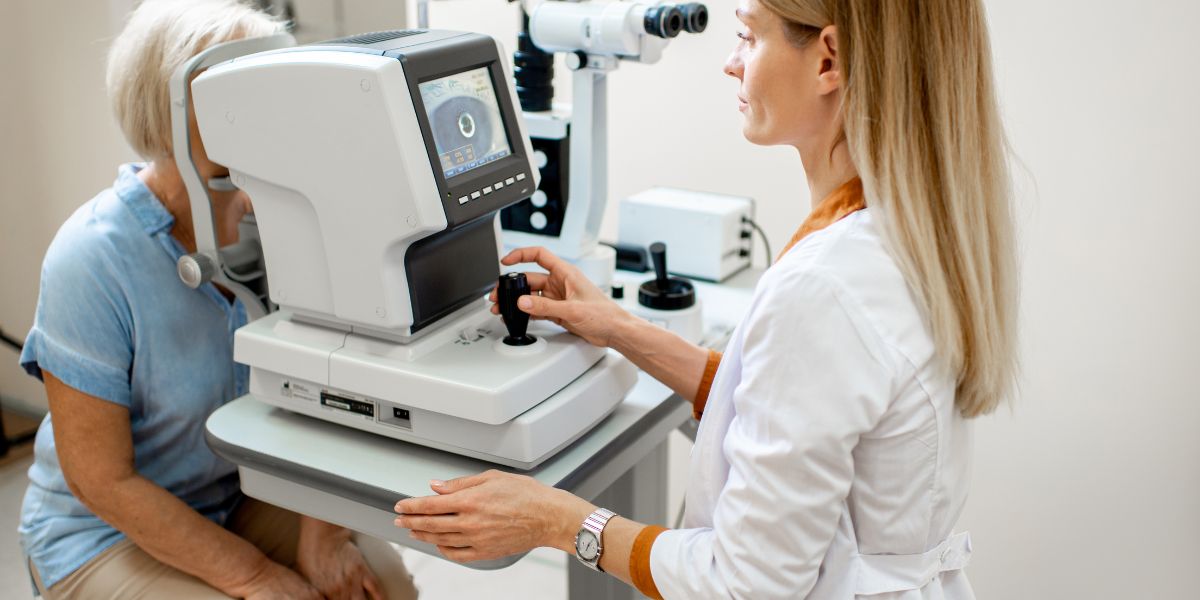
Vision plays a central role in everyday life, influencing everything from work and mobility to independence and overall quality of life. As people become more proactive about long-term health, awareness around eye care and vision-related conditions continues to grow. Regular eye assessments and access to specialized medical support are becoming increasingly important, particularly as technology use, aging, and lifestyle changes place more strain on vision than ever before.
While general eye exams are essential, many patients eventually require more advanced medical care related to eye health. This is where surgical centers and specialists become a critical part of the healthcare journey, providing patients with access to specialized evaluations, procedures, and long-term management solutions.
Why Eye Health Should Never Be Overlooked
Many eye conditions develop gradually and without immediate symptoms. Patients may not notice changes until vision has already been affected, which is why preventative care and early detection are so important.
Routine assessments help identify concerns before they become more serious. Conditions such as cataracts, glaucoma, retinal issues, and age-related vision decline often benefit from early intervention and ongoing monitoring.
Working with an experienced Ophthalmologist in Kelowna provides patients with access to specialized medical expertise focused specifically on eye health and surgical care.
The Growing Demand for Specialized Surgical Care
As healthcare technology advances, surgical procedures related to vision and eye health have become increasingly precise and effective. Modern ophthalmology now includes a wide range of treatments designed to improve vision, manage disease progression, and restore comfort.
Patients are also becoming more informed about available treatment options. Rather than simply reacting to vision problems, many individuals are proactively researching procedures and exploring specialized care facilities that offer advanced solutions.
This growing awareness has increased demand for surgical centers that combine modern technology with patient-focused care.
The Role of Technology in Eye Surgery
Advancements in medical technology have transformed how ophthalmic procedures are performed. Modern imaging systems, laser-assisted techniques, and minimally invasive procedures are helping improve precision and reduce recovery times.
These developments have made many procedures safer, more efficient, and more comfortable for patients. Improved technology also allows surgeons to diagnose conditions more accurately and tailor treatment plans to individual needs.
As innovation continues, patients are gaining access to increasingly advanced forms of vision care.
Patient Experience and Comfort Matter
Medical procedures can often feel overwhelming, especially when they involve vision or surgery. Patients want reassurance, clear communication, and environments that feel professional and supportive.
Specialized surgical facilities are increasingly focused on patient experience as an important part of care. Organized scheduling, clear explanations, and comfortable clinical environments help reduce stress and improve confidence throughout the process.
These factors may seem secondary to medical treatment itself, but they play an important role in helping patients feel informed and supported.
The Importance of Personalized Care
Every patient’s vision needs are different. Factors such as age, lifestyle, medical history, and long-term health goals all influence treatment decisions.
Personalized care allows specialists to develop tailored treatment plans that address specific concerns rather than relying on generalized solutions. This individualized approach often leads to better outcomes and stronger patient confidence.
Patients who feel involved in their care decisions are also more likely to remain engaged throughout recovery and follow-up care.
Balancing Medical Expertise with Modern Healthcare Expectations
Healthcare expectations continue to evolve. Patients now expect not only strong medical outcomes but also efficient communication, streamlined scheduling, and supportive experiences.
Specialized surgical facilities are adapting to these expectations by focusing on both technical expertise and overall patient care. This combination helps create healthcare experiences that feel more organized, transparent, and patient-centered.
Professionals like Restore Surgical Centre represent this modern approach by combining surgical services with patient-focused care environments.
How Surgical Centers Support Broader Healthcare Systems
Private and specialized surgical centers are also helping improve accessibility within broader healthcare systems. By providing focused services and streamlined processes, these facilities can help reduce pressure on hospitals and public healthcare resources.
This creates additional pathways for patients seeking consultations, procedures, and specialized treatments while maintaining high standards of care.
The growth of surgical centers reflects broader efforts to improve efficiency and patient access within healthcare.
Researching Vision Care and Surgical Options
As awareness around eye health grows, more patients are actively researching specialists and treatment options before making decisions about their care.
Learning about available procedures, technologies, and surgical environments helps patients feel more prepared and confident. For those exploring options for specialized vision care, visiting https://restoresurgicalcenter.ca/
provides insight into modern surgical services and patient-focused care approaches.
This research process allows individuals to make informed healthcare choices that align with their needs and priorities.
The Future of Ophthalmic Care
The field of ophthalmology continues evolving rapidly. Advances in diagnostics, surgical techniques, and treatment planning are improving both patient outcomes and overall experiences.
As populations age and demand for specialized eye care increases, the importance of efficient and technologically advanced surgical facilities will continue growing.
Patients can expect future innovations to further improve precision, recovery times, and accessibility within vision care.
A More Proactive Approach to Vision Health
Modern healthcare is increasingly focused on prevention, early intervention, and long-term wellness. Eye health is an essential part of that conversation.
By seeking regular evaluations and accessing specialized care when needed, patients can better protect their vision and maintain quality of life over time.
In today’s healthcare environment, specialized surgical centers are helping patients access the expertise, technology, and support needed to approach vision care with greater confidence and clarity.